




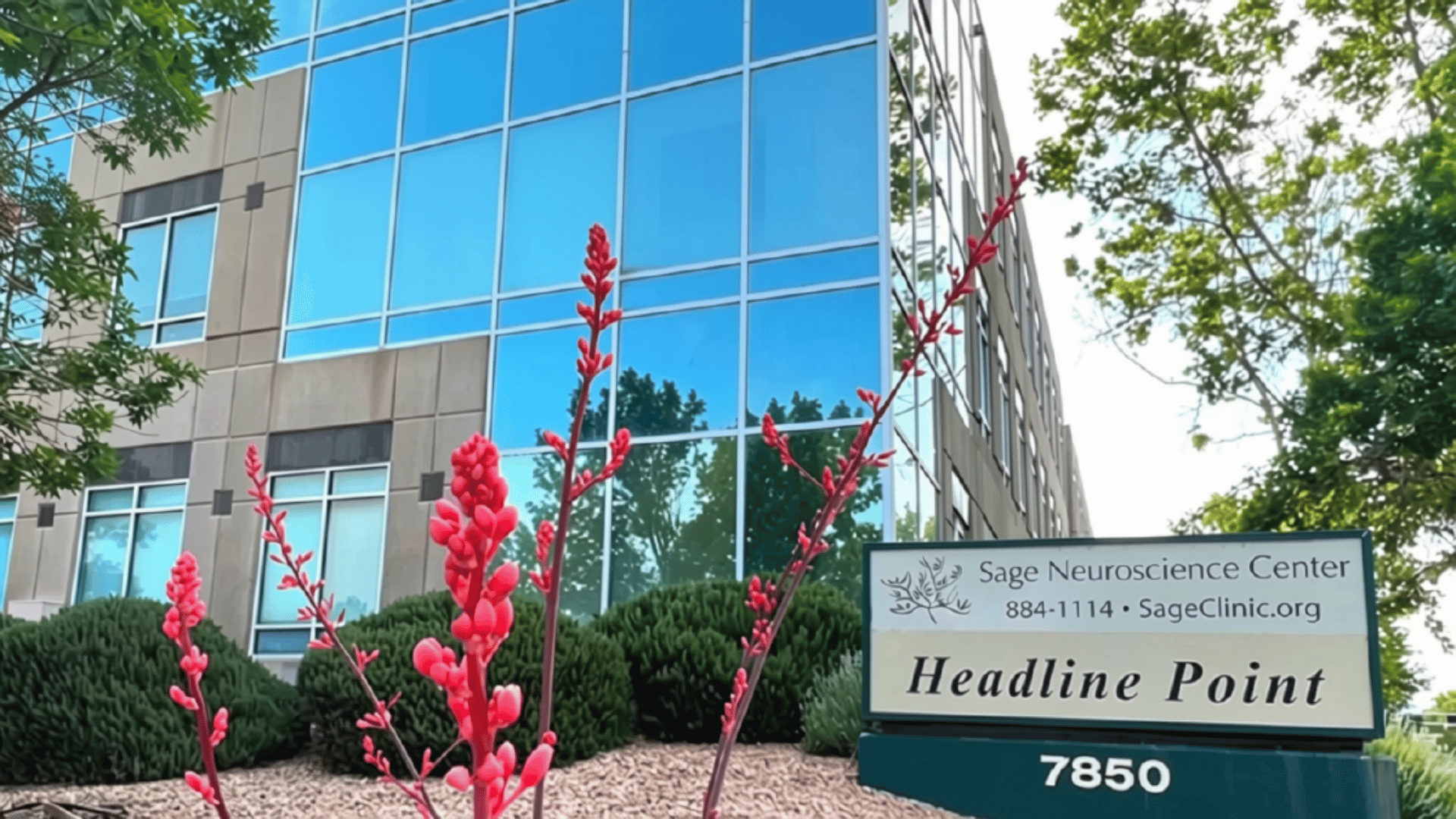
Sage Neuroscience first learned about rater8 through their executive director, who had used the platform at a previous healthcare organization. After evaluating rater8 against their existing process, Evans saw an opportunity to make feedback easier for patients while giving the organization more useful data.
“I really liked the dashboards that were available to review at a glance,” she said, reflecting on her initial impression of raVE, the rater8 Visibility Engine. “The scores per provider were very helpful, and I liked the ease of use for patients.”

To get stakeholders on board, Evans made the case to the team by focusing on the gap between the patient experiences they knew were happening and what prospective patients were actually seeing online.
After implementing raVE and integrating it with Sage Neuroscience’s athenahealth EHR, the organization immediately and consistently began collecting patient feedback through automated post-visit review requests and a shorter, easier survey experience.
Evans built that feedback into Sage Neuroscience’s existing quality improvement efforts. Each month, she downloads a report of patient reviews for the organization’s quality meeting, where leadership looks for recurring concerns, reviews provider scores, and recognizes employees who are mentioned by name for creating positive patient experiences.
“We take a look at the highlights and whether there are any trends among the negative reviews,” Evans said. “That way we can make changes to address those issues while also showcasing the good stuff.”
To make review management easier, Sage Neuroscience also uses raVE’s AI-assisted review responses. Responses are automated, so patients see that their feedback is being acknowledged without creating another manual task.

“It’s huge for the engagement, and patients know we’re looking at their feedback,” Evans said. “It’s also taken a load off of me. It happens automatically, and it’s super helpful.”
In less than a year, Sage Neuroscience built an online reputation that more closely reflects the patient experiences happening within the organization. Just as importantly, the influx of fresh feedback gave leadership more data to identify and address issues across the patient journey.
Reduced patient no-shows by 8%
Reducing no-shows was one of Sage Neuroscience’s goals from the outset. Since implementing raVE and strengthening the patient feedback process, the organization has seen patient no-shows decrease by 8%.
For Evans, the improvement speaks to the role trust can play even after a patient is referred and an appointment is scheduled. When patients search Sage Neuroscience, they now see a much fuller picture of the experiences other patients are having, giving them another reason to feel confident about following through with care.
Increased new patients referred by Google by 173%
Provider referrals have long been an important source of new patients for Sage Neuroscience. However, as their online reputation improved, so did their visibility in Google search, giving prospective patients another way to discover and research the organization after receiving a referral.
That visibility is paying off. In the 10 months prior to adopting raVE, 74 patients self-reported as finding Sage Neuroscience through Google. Since launching raVE 10 months ago, that number has grown to 202 patients, a 173% increase.
“We have been pretty reliant on provider referrals,” shared Evans. “Now we’re popping up on Google more because of our reviews and ratings, and new patients are able to find us.”
Boosted online reviews by 3,379%
Before implementing raVE, Sage Neuroscience had collected 42 total reviews. During their first 10 months with raVE, that number jumped to 1,461 new reviews, a 3,379% increase.
The quality of those reviews changed dramatically, too. Prior to raVE, 43% of Sage Neuroscience’s ratings were 1 star and 48% were 5 stars. Within their first 10 months with raVE, 1-star reviews accounted for just 3% of feedback, while 92% were 5 stars.

Turned patient feedback into operational improvements
The influx of feedback also gave Sage Neuroscience a clearer view of where changes could improve the patient experience. When patients repeatedly reported confusion about where to check in, the team adjusted the flow through the clinic and made wayfinding clearer.
“We haven’t received any negative feedback about that since,” noted Evans.
Phone access was another recurring source of frustration, particularly when missed calls made it harder for patients to get medication refills. The organization made changes to address the issue, and complaints have since become far less common.
“We have made a lot of changes in that department,” Evans shared. “Now I rarely see complaints from patients about phone issues.”
Made a specialized treatment feel less intimidating
Notably, Sage Neuroscience has also been working to grow their TMS service line. For prospective patients, the name alone can make the treatment sound intimidating. But positive reviews from current patients who have received TMS now give prospective patients another way to understand what the experience is actually like before deciding whether to move forward.
“It can be kind of scary to people,” Evans said. “So when they can go online to see what patients have said about that service, it’s incredibly helpful.”
Today, patient feedback gives Sage Neuroscience much more than a stronger online reputation. Evans and the leadership team now have a more consistent source of data they can easily access and use to recognize what’s working, identify recurring friction, and improve the patient experience.
